Evidence-Based Design Strategies for Cancer Care Environments
Share

Louis A. Meilink, Jr., FAIA, FACHA, ACHE and Fernanda Pires, EDAC, Lean Greenbelt recently presented a behind-the-scenes look at the evidence-based decision-making process Ballinger uses to inform design choices in cancer care projects.
Their talk, “Where Research Meets Reality: Evidence-Based Design Strategies for Cancer Care Environments,” highlighted facilities in Pennsylvania, New York City, and Nebraska to demonstrate how universal oncology requirements can be adapted to diverse community contexts.
They explored research on decentralized care stations and key environmental design factors that influence patient experience, safety, communication, and operational efficiency. By situating each project within its broader health system ecosystem, the session illustrated how operational models inform programmatic needs and design decisions, reinforcing the role of evidence-based design in advancing resilient, patient-centered cancer care environments.
The presentation was part of the Center for Health Design’s “Icons and Innovators” webinar series, and a recording is available to view here.
Tagged
Share
related insights

April Sampson Cancer Center Recognized at 2025 PDC Summit
- Awards|
- Architecture|
- Healthcare|
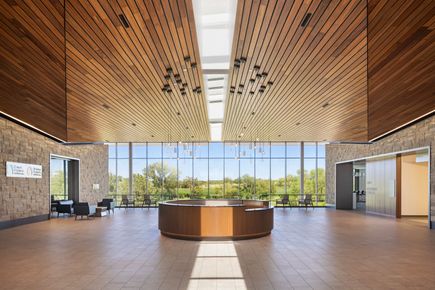
Cover Story: April Sampson Cancer Center in Healthcare Design
- Press|
- Architecture|
- Healthcare|
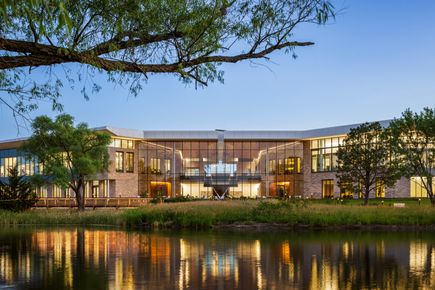
April Sampson Cancer Center Recognized at Healthcare Design Conference
- Awards|
- Architecture|
- Healthcare|

Exploring the Impact of Environmental Design in Cancer Care
- Events|
- Architecture|
- Healthcare|


